
Introduction
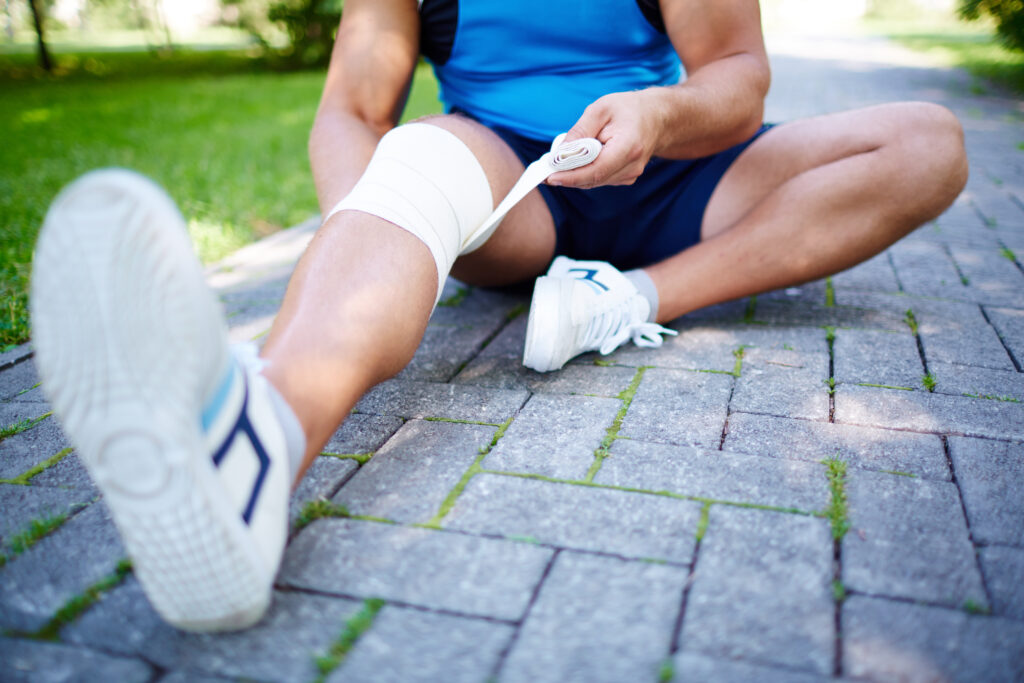
Knee sports injuries are common among athletes and active people. These injuries can happen during running, jumping, or sudden movements. Because the knee is a major joint, it is at risk for many types of injuries. Early care and proper treatment for knee sports injuries can help you recover faster. In this blog, you will learn about knee injury symptoms, causes, diagnosis, treatment, and ways to prevent knee injuries in athletes.
Common Symptoms of Knee Sports Injuries
Recognizing knee injury symptoms early can help you get the right care. Often, symptoms appear soon after the injury. However, some signs may develop slowly. Watch for these common symptoms:
If you notice any of these symptoms, seek medical advice. Early treatment can prevent further damage.
Main Causes of Knee Sports Injuries
Knee sports injuries can happen for many reasons. Sometimes, a single event causes the injury. Other times, repeated stress leads to problems. Here are the main causes:
For example, soccer and basketball players often twist their knees. Runners may develop knee pain from overuse. Knowing the cause helps in choosing the right treatment for knee sports injuries.
Diagnosis Methods
Doctors use several methods to diagnose knee sports injuries. First, they ask about your symptoms and how the injury happened. Next, they examine your knee for swelling, tenderness, and movement. Sometimes, more tests are needed. These may include:
With these tools, doctors can find the exact problem. According to the CDC, early diagnosis helps prevent long-term knee issues.
Treatment Options for Knee Sports Injuries
Treatment for knee sports injuries depends on the type and severity. In many cases, simple steps can help. However, some injuries may need more care. Common treatment options include:
Always follow your doctor’s advice for the best results. The World Health Organization recommends early rehabilitation to speed up recovery.
Prevention Tips for Knee Sports Injuries
Preventing knee injuries in athletes is possible with the right steps. While not all injuries can be avoided, you can lower your risk. Try these prevention tips:
In addition, coaches and trainers can help you learn safe ways to move. The CDC suggests regular training to build strong, flexible knees.
Lifestyle Guidance for Healthy Knees
Maintaining healthy knees is important for everyone, not just athletes. Even small changes can make a big difference. Consider these lifestyle tips:
Moreover, regular check-ups with your doctor can help catch problems early. Healthy habits support strong knees for life.
Conclusion
Knee sports injuries can affect anyone who is active. However, knowing the symptoms, causes, and treatment options can help you recover faster. With the right prevention tips and lifestyle choices, you can protect your knees. For the best care, consult an orthopedic specialist for personalized advice on knee sports injuries.