
What Is Scoliosis?
Scoliosis is a condition where the spine curves sideways. Usually, the spine is straight when viewed from behind. However, with scoliosis, it forms an “S” or “C” shape. This curve can grow slowly, often without pain. Because of this, many people do not notice it at first. According to the World Health Organization (WHO), scoliosis affects millions worldwide. Early detection of scoliosis can make a big difference in treatment and outcomes.
Common Symptoms and Warning Signs
Often, scoliosis develops quietly. Still, there are signs you can watch for. Early signs of a spinal curve may include:
Sometimes, you may notice a rib hump when bending forward. If you spot any of these signs, it is wise to see a doctor soon. Early action helps prevent the curve from getting worse.
Causes and Risk Factors
Doctors do not always know what causes scoliosis. However, several factors can increase risk. For example, scoliosis often runs in families. Girls are more likely than boys to have curves that need treatment. Most cases start during the growth spurt before puberty. Less often, scoliosis can result from birth defects, injuries, or other diseases. Even though the exact cause is unknown in most cases, knowing the risk factors helps with early detection.
How Scoliosis Is Diagnosed
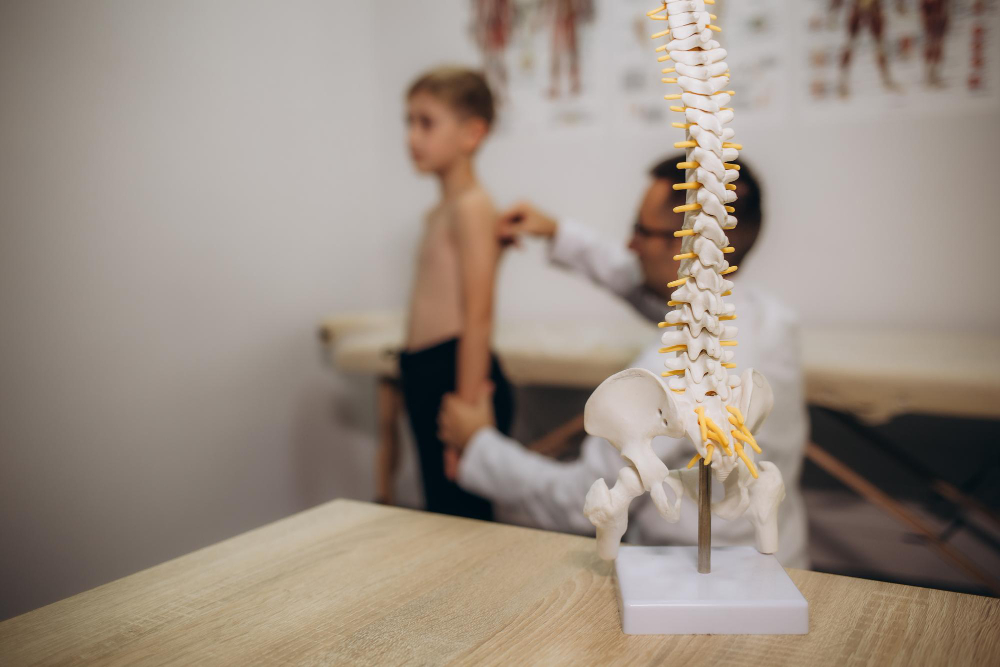
Doctors use several steps to diagnose scoliosis. First, they ask about symptoms and family history. Next, they perform a physical exam. During the exam, you may be asked to bend forward. This helps the doctor see any curve or rib hump. If scoliosis is suspected, an X-ray is usually needed. The X-ray shows the shape and size of the curve. Sometimes, other tests like MRI may be used. Early detection of scoliosis allows for better treatment choices.
Why Early Detection Is Crucial
Early detection of scoliosis can change everything. When found early, mild curves can be watched closely. This helps prevent them from getting worse. If the curve grows, treatment can start sooner. As a result, there is less chance of needing surgery. According to the Centers for Disease Control and Prevention (CDC), early treatment often leads to better outcomes. Therefore, regular check-ups are important, especially for children and teens.
Treatment Options for Scoliosis
Treatment for scoliosis depends on the curve’s size and the patient’s age. There are both non-surgical and surgical options. For mild curves, doctors may suggest:
However, if the curve is severe or keeps growing, surgery may be needed. Surgery often involves straightening the spine with rods and screws. Most people recover well and can return to normal activities. Still, the best results come when scoliosis is treated early.
Lifestyle Tips and Prevention Strategies
While you cannot always prevent scoliosis, healthy habits can help. For example, regular exercise keeps your back strong. Good posture also supports spine health. Here are some tips:
Although these steps cannot cure scoliosis, they support overall back health. Early detection remains the most important factor in managing scoliosis.
Conclusion: Take Action for a Healthy Spine
Scoliosis often grows silently, but early detection changes everything. If you notice signs of a spinal curve, do not wait. Consult a healthcare professional for advice and screening. Early action can lead to better treatment and a healthier future.