
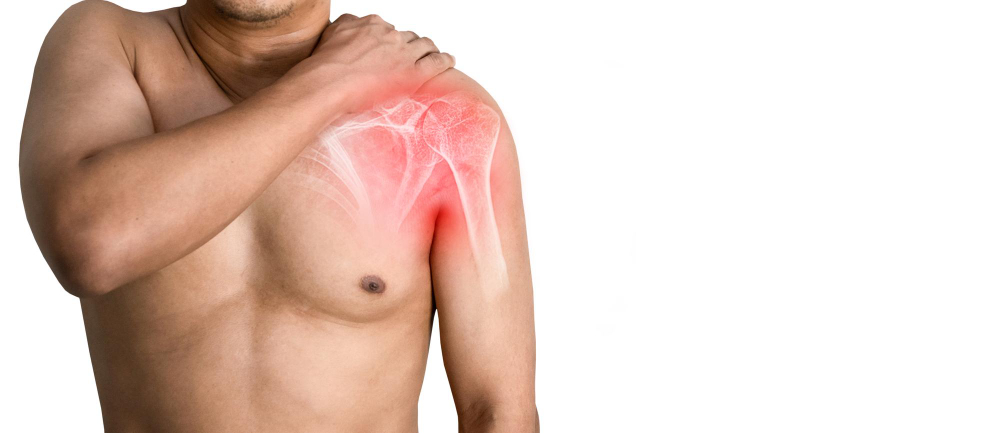
What is a SLAP Tear?
A SLAP tear is a type of shoulder labrum injury. The labrum is a ring of cartilage that helps keep your shoulder joint stable. When this cartilage tears at the top of the shoulder, it is called a SLAP tear. The term SLAP stands for “Superior Labrum Anterior and Posterior.” This means the tear happens at the top part of the labrum, both in front and behind where the biceps tendon attaches. Because the shoulder is used so often, a SLAP tear can cause pain and limit movement.
Common Symptoms of a SLAP Tear
People with a SLAP tear often notice pain in their shoulder. However, symptoms can vary. For example, some people feel a clicking or popping sound when moving their arm. Others may notice weakness or trouble lifting objects. In many cases, symptoms get worse with certain activities, like throwing a ball or lifting overhead.
Because these signs can be similar to other injuries, it is important to get a proper SLAP tear diagnosis from a healthcare provider.
Causes and Risk Factors
SLAP tears can happen for many reasons. Sometimes, a sudden injury causes the tear. For example, falling on an outstretched arm or a direct hit to the shoulder can lead to a SLAP tear. In other cases, the injury develops over time from repeated use. Athletes who throw or lift overhead, like baseball players or swimmers, are at higher risk.
Additionally, people over age 40 may be more likely to have a SLAP tear due to normal aging of the shoulder joint.
How SLAP Tears are Diagnosed
Doctors use several steps to diagnose a SLAP tear. First, they ask about your symptoms and how the injury happened. Next, they perform a physical exam to check your shoulder’s strength and movement. Because SLAP tear symptoms can look like other problems, doctors may order imaging tests. For example, an MRI scan can show details of the labrum and help confirm a shoulder labrum injury.
Sometimes, doctors use a special test called an arthrogram, where dye is injected into the shoulder before the MRI. This helps show the tear more clearly.
Treatment Options for SLAP Tears
Treatment for a SLAP tear depends on the severity of the injury and your activity level. In many cases, doctors start with non-surgical treatments. For example, rest and physical therapy can help reduce pain and improve strength. Medicines like anti-inflammatory drugs may also help. If symptoms do not improve, surgery may be needed to repair the labrum.
After surgery, physical therapy is important for a full recovery. Most people return to normal activities with proper care.
Tips for Recovery and Prevention
Recovering from a SLAP tear takes time and patience. However, following your doctor’s advice can speed up healing. For example, doing your physical therapy exercises as directed helps restore strength. Using ice and taking medicines as prescribed can also ease pain. In addition, it is important to avoid heavy lifting or overhead movements until your shoulder heals.
With proper care, most people recover well from a SLAP tear. Staying active and using good technique can help prevent future shoulder labrum injuries.