
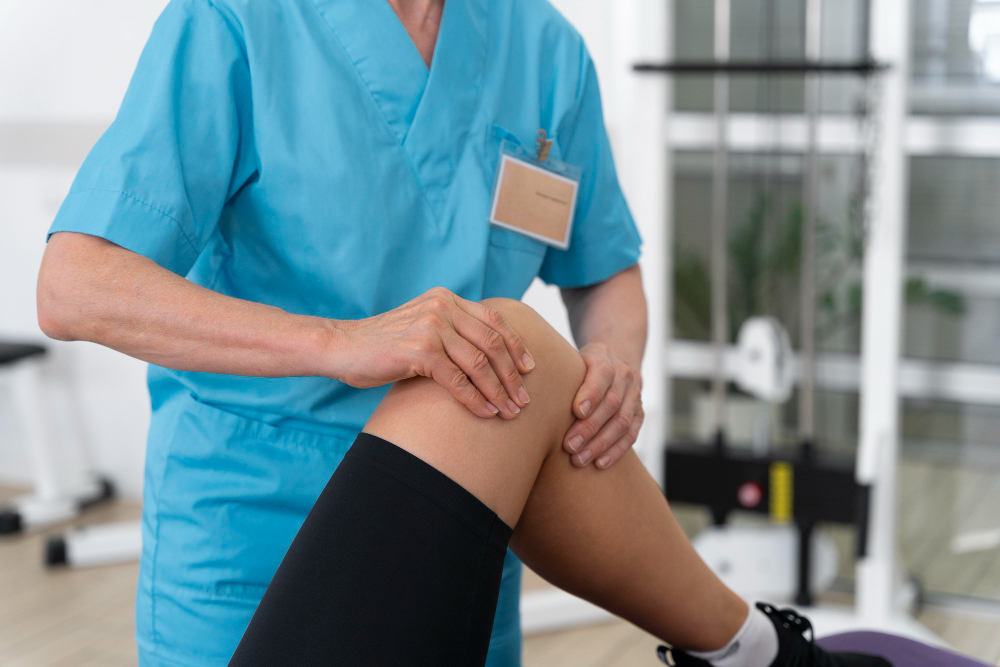
What is Total Knee Replacement (TKR)?
Total Knee Replacement, also called TKR, is a surgery to replace a damaged knee joint. Doctors remove worn-out parts of the knee and use artificial parts instead. This surgery helps people walk better and feel less pain. Many people choose TKR when knee pain makes daily life hard. According to the CDC, TKR is safe and helps many people regain movement.
Symptoms Indicating the Need for TKR
Some signs may show you need a Total Knee Replacement. If you notice these symptoms, talk to your doctor. Early action can help you feel better sooner. Common symptoms include:
Causes Leading to TKR
Many things can damage your knee and lead to TKR. Often, the cause is long-term wear and tear. However, other reasons can also play a role. Common causes include:
Because these causes can get worse over time, early care is important.
Diagnosis: How Doctors Assess the Need for TKR
Doctors use several steps to decide if you need Total Knee Replacement. First, they ask about your symptoms and health history. Next, they check your knee for movement, pain, and swelling. After that, they may order tests, such as:
Doctors also ask about your daily life. If pain limits your activities, TKR may help. Sometimes, they try other treatments first, like medicine or therapy. If these do not work, TKR is often the next step.
Treatment: The TKR Procedure Explained
Total Knee Replacement is a planned surgery. Before the operation, doctors explain the risks and benefits. They also tell you how to prepare for knee replacement. On the day of surgery, you get medicine to help you relax or sleep. The surgeon removes the damaged parts of your knee and puts in new, artificial parts. These new parts are made of metal and plastic. The surgery usually takes one to two hours.
After surgery, you stay in the hospital for a few days. Nurses and doctors watch you closely. They help you start moving your knee soon after the operation. Early movement helps prevent problems and speeds up healing.
Recovery and Rehabilitation After TKR
Recovery after Total Knee Replacement takes time and effort. However, most people feel much better after a few weeks. Here is what to expect during knee replacement surgery recovery:
Because everyone heals differently, follow your doctor’s advice closely. Doing exercises at home helps your knee get strong again.
Lifestyle Tips and Prevention of Knee Problems
After TKR, you can protect your new knee and stay healthy. Even before surgery, these tips help prevent knee problems:
With these habits, you can keep your knees working well for years.
Frequently Asked Questions About TKR
If you have more questions, talk to your doctor. They can give advice based on your needs.
Consult an orthopedic specialist to discuss if TKR is right for you.