
Introduction
Are you searching for a natural way to heal from joint pain or injury? PRP therapy, also known as platelet-rich plasma therapy, uses your body’s own blood to boost healing. Many people choose PRP therapy for orthopedic recovery because it supports the body’s natural repair process. In this blog, you will learn how PRP therapy works, its benefits, and what to expect during treatment.
What is PRP Therapy?
PRP therapy stands for platelet-rich plasma therapy. It is a treatment that uses a part of your own blood to help your body heal. Doctors take a small amount of your blood and spin it in a machine. This process separates the platelets, which are tiny cells that help with healing. Then, the doctor injects these platelets into the area that needs repair. Because PRP uses your own blood, it is a natural healing option.
How Does PRP Therapy Work?
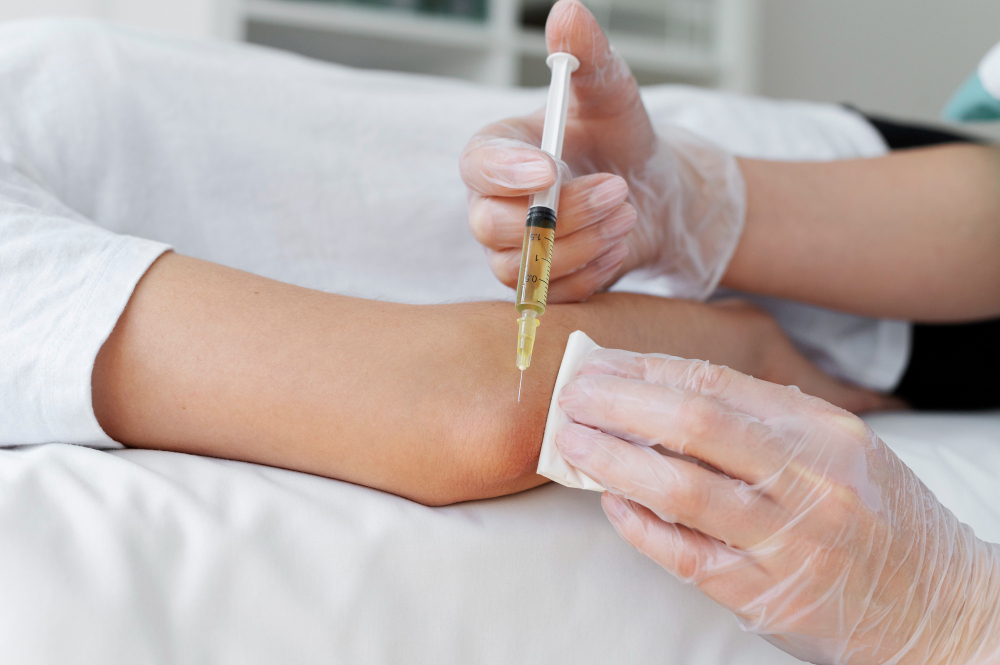
First, your doctor draws a small sample of your blood. Next, the blood goes into a special machine called a centrifuge. This machine spins the blood and separates the platelets from other parts. After that, the doctor collects the platelet-rich plasma. Finally, the doctor injects this plasma into the injured area, such as a knee or shoulder. The platelets release growth factors that help your body repair itself faster. As a result, many people notice less pain and better movement over time.
Common Orthopedic Conditions Treated with PRP
PRP therapy is often used for orthopedic recovery. It can help with many joint and muscle problems. Some common conditions treated with PRP include:
Because PRP therapy uses your own blood, it is a popular choice for people who want natural healing with PRP.
Benefits of Healing Naturally with PRP Therapy
There are many reasons people choose PRP therapy for orthopedic recovery. Some key benefits include:
Moreover, PRP treatment for joint pain is less invasive than surgery. Many people prefer this natural approach to healing.
What to Expect During and After PRP Treatment
Before the procedure, your doctor will explain the steps and answer your questions. During PRP therapy, you may feel a small pinch when your blood is drawn. The injection itself may cause mild discomfort, but it is usually quick. After the treatment, you might notice some swelling or soreness. This is normal and should go away in a few days. Most people can return to normal activities soon after PRP therapy. However, your doctor may suggest avoiding heavy exercise for a short time.
Safety, Risks, and Considerations
PRP therapy is generally safe because it uses your own blood. However, as with any medical procedure, there are some risks. These may include:
Still, most people have no serious problems after PRP therapy. It is important to choose a trained doctor for your treatment. The World Health Organization and peer-reviewed studies support the safety of PRP when done by professionals.
Tips for Maximizing Recovery After PRP Therapy
To get the best results from PRP therapy, follow these tips:
Additionally, eating a healthy diet and staying hydrated can help your body heal faster.
Frequently Asked Questions about PRP Therapy
Conclusion
In summary, PRP therapy is a natural way to help your body heal from joint and muscle problems. It is safe, uses your own blood, and can speed up recovery. If you want to learn more about natural healing with PRP, consult an orthopedic specialist to see if PRP therapy is right for your recovery.